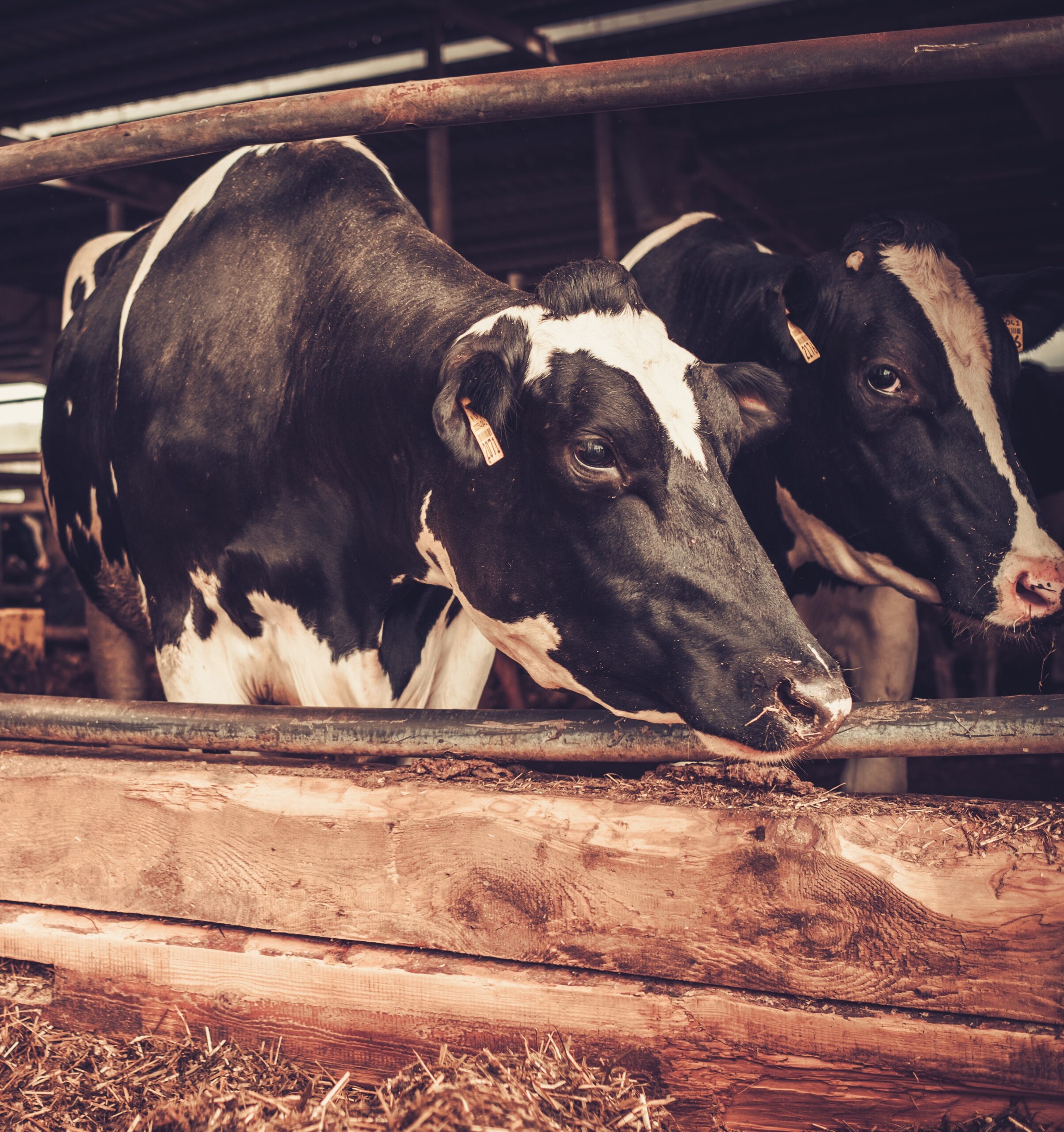
FISHERS, IND. (November 16, 2023) – A new scientific review paper published this month provides important insights into the current knowledge base of rumen methanogens – the microorganisms that produce methane as a byproduct of their metabolism in the rumen, or stomach, of ruminants like cattle and sheep – and the gaps that exist in the field. In this groundbreaking paper titled “Evolving Understanding of Rumen Methanogen Ecophysiology,” published in Frontiers in Microbiology as part of The Methane Moment research topic, the authors call for more research in the diversity, physiology, and metabolism of rumen methanogens.
As the number one agricultural source of greenhouse gases worldwide, ruminants like cattle produce methane as part of their normal digestive process. Currently, this type of methane production contributes approximately 4 percent of total emissions annually, with a single bovine belching about 220 pounds of methane.
BiomEdit’s Director of Microbial Discovery Research and one of the lead authors, Dr. Dwi Susanti, believes additional research in this area is urgently needed: “Providing scientists and innovators more detailed information on the ecophysiology and diversity of methanogens in the rumen gives the scientific community the best chance of developing solutions to help livestock producers mitigate methane emissions and increase productivity to feed a growing population.”
“Gaining the most robust understanding of rumen methanogens is key to bringing the best solutions possible for livestock, the producer and the planet,” said Aaron Schacht, CEO of BiomEdit.
One of the key challenges is that rumen methanogens are very difficult to grow in culture. However, the authors point to recent advances in culture-independent approaches, such as high-throughput omics technologies, as beginning to fill this gap. Several important research areas were noted, including developing new isolation methods, expanding research on underrepresented species such as buffalo, yak, and goat, generating more reference genomes, and investigating substrates such as formate.
Researchers on the paper included Bela Haifa Khairunisa and Dwi Susanti of BiomEdit’s Microbial Discovery Research team, along with Christian Heryakusuma, Kelechi Ike, and Biswarup Mukhopadhyay of Virginia Tech University and North Carolina Agricultural and Technical State University.
Read the paper: Evolving Understanding of Rumen Methanogen Ecophysiology